


An Introduction to Fluidized Bed Coaters
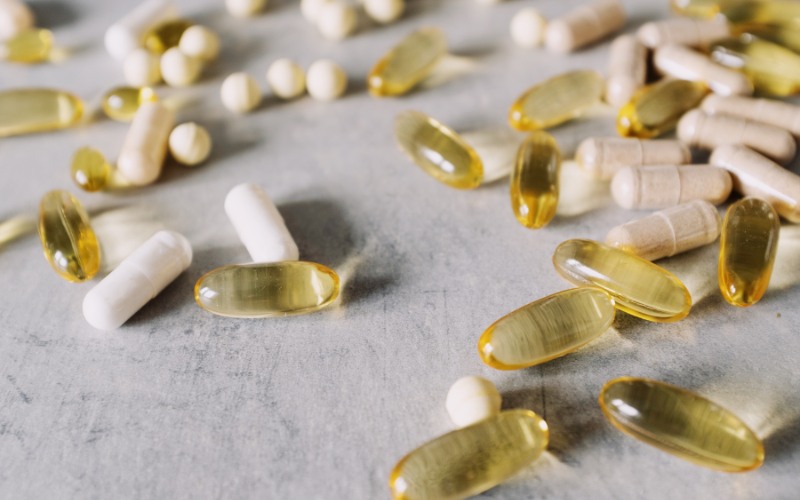
Fluidised bed coaters are a specialised piece of pharmaceutical equipment used in the production of tablets and capsules. They are designed to evenly coat the surface of tablets or capsules with a variety of materials, such as sugar, waxes, polymers, and more. In this blog post, we’ll explore the basics of fluidised bed coater technology and its applications in the pharmaceutical industry.
What Is a Fluidised Bed Coater?
A fluidised bed coater is essentially an automated machine that coats pharmaceutical products with a thin layer of material. It works by suspending particles (or granules) in the air using air pressure, which creates an even distribution of particles across the product’s surface.
The benefits of this method include making sure that the surface of your product has a layer while improving the product better in quality. In addition, you gain greater control over how thick this particular layer should become. Using fluidised bed coaters means that you’re able to coat tablets (or capsules) using different kinds of material – ranging from sugars through waxes up until polymers – all designed to increase dissolution times for these tablets OR mask any bad tastes/odors associated with them by hiding those smells underneath nice, sweet-smelling coatings! Finally though…the whole thing provides some protection against harsh environments so that manufacturers have more freedom when crafting dosage form designs tailored specifically towards their product types!
How Does a Fluidised Bed Coater Work?
The operation of a fluidised bed coater is relatively simple. A hopper filled with dry granules is placed above a perforated plate known as a “fluidising chamber”. A stream of pressurised air is then directed into the hopper from below, causing the granules to become suspended in air (hence its name). The particles are then released into an enclosed chamber where they are evenly distributed over the surface of any tablet or capsule present. Finally, a suction system removes excess powder from the chamber before it reaches its destination point at the bottom of the unit. Fluidised bed coaters offer significant advantages to manufacturers in terms of product quality and consistency. By providing precise control over coating thickness and uniform distribution on tablet surfaces, these machines help ensure optimal drug delivery for end-users while also reducing costs associated with waste material due to uneven coating layers. As such, fluidised bed coaters remain one of the most popular pieces of pharmaceutical equipment on today’s market—and their popularity.