


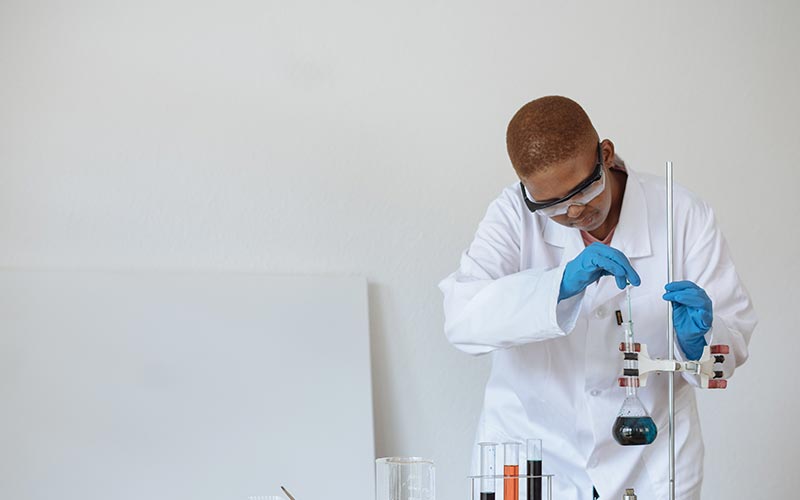
The Complex Journey of Pharmaceutical Development
Developing a pharmaceutical drug is a long and difficult process involving many phases and steps. Every phase of developing a pharmaceutical drug demands a high degree of precision in order to deliver a safe and effective drug to consumers. The process of turning new compounds into drug products that are ready for the market takes years and is quite expensive. The several phases of pharmaceutical development, as well as the opportunities and difficulties that come with each, will be discussed in this article.
1. Discovery and Preclinical Development:
Preclinical studies and discoveries constitute the initial stage of pharmaceutical development. It is at this point that scientists identify a new compound that can be used to treat a certain disease. Tests are conducted by scientists during this stage to determine the efficiency and safety of the newly discovered compound. Testing takes place in cells and animals, and if satisfactory results are obtained, formulation commences. Formulation entails selecting the correct drug administration approach, dose strength, and form. At this point, scientists deliver an end report to regulatory agencies.
2. Clinical Development:
Human testing of the chemical happens throughout the clinical development phase of pharmaceutical development. To test for safety and dosage, a small number of healthy volunteers are treated in the very first stage. To assess both safety and efficacy, hundreds of people receive treatment in the second stage. The third stage involves the administration of the treatment to hundreds to thousands of individuals to determine safety, efficacy, and effectiveness. The drug product is put forward for regulatory approval once all three phases are completed successfully.
3. Regulatory Review:
After clinical development is finished, a crucial step is the regulatory review procedure. For verification of the drug product’s safety and effectiveness, the regulatory body inspects all of the data from preclinical and clinical trials. Before a pharmaceutical product may be marketed, it must receive regulatory approval. During this stage, the drug product may be either accepted or rejected by the regulatory agency. If approved, the drug product moves on to the next phase.
4. Manufacturing:
The manufacturing procedure starts right away as the drug product receives regulatory approval.
In order to guarantee substantial amounts of the drug product, this phase involves stepping up the production process. For the sake of patient safety, the production process is followed by strict regulations and quality control. The pharmaceutical product is prepared for market distribution and sale after production is finished.
5. Post-Market Surveillance:
This is the last step in the process of drug development, and here the pharmaceutical company collects and analyses information on the practical utilization of the drug product. The objective is to figure out the overall safety and efficacy of the medication product and to identify any previously undiscovered side effects. The directions, doses, and safety warnings for the medication product can be revised using the data gathered at this stage.
Pharmaceutical development is an extensive and rigorous process that entails various stages. Each stage of development necessitates careful consideration and a multi-disciplinary approach in order to develop a safe and efficacious drug product for the patient.
Meeting regulatory standards, optimizing the manufacturing process, and eventually creating a therapeutic product that is safe for use in the real world are all critical to the success of pharmaceutical development. We hope you now have greater knowledge of the pharmaceutical development cycle.