


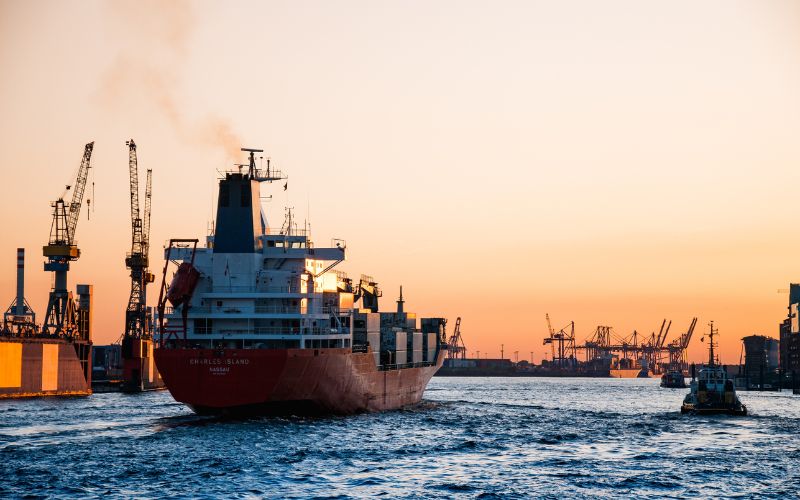
Shipping Your Pharmaceutical Product by Sea
Shipping of pharmaceutical products through the waterways is growing in popularity in the pharmaceutical industry. The benefits of this transportation include reduced costs compared to air shipments, delivery from port to port, and temperature maintenance. Additionally, shipping pharmaceuticals by sea can reduce losses due to breakage or theft, and there are fewer restrictions on documentation requirements.
It’s necessary to choose a shipping partner who is aware of the regulations and norms of shipping pharmaceuticals by sea in order to guarantee that the items reach their destination safely and remain ready for use.
The right partner will be involved throughout every stage of the process, from pre-shipment planning to product arrival at its final destination.
Along with confirming that the pharmaceutical products meet the relevant standards, they should also have experience with temperature-controlled exports. Assuring that everything is delivered on schedule and undamaged, a good partner will also assist with product handling, secure transportation, and tracking information during the trip. A partner should be chosen in the field of shipping with a wide-ranging global network that can offer an efficient route for the shipment of pharmaceuticals via water. The choice of such a shipping partner will help pharmaceutical companies save costs and avoid delays caused by inefficient modes of transport. With the right partner for shipping, pharmaceutical companies will be sure that there will be no problems when delivering their products.
A reliable and effective international shipping process is vital to the pharmaceutical sector. There are several crucial standards and rules to take into account while shipping pharmaceuticals by water.
Pharmaceuticals must first be transported in compliance with the International Maritime Dangerous Goods (IMDG) Code. In addition to other crucial aspects, this code lays out specifications for the safe and secure transportation of toxic substances over waterways, involving identification, packing, and labeling. Moreover, medicines should be stored in temperature-controlled packages while traveling to another country by sea.
In order to maintain safety and comply with the regulations, it is advisable for shippers to be aware of the fact that there may be some additional documentation requirements when medicines are shipped because some countries require special authorization for medicines. In some instances, special authorization is needed when shipping medicines. This implies that shippers have to understand the regulations of each country.
Moreover, pharmaceutical firms have the responsibility to ensure that their shipments are labeled as per the requirements of the IMDG Code. Labels must contain details such as the shipper’s name, address, contact information, product name, and UN number where applicable.
Lastly, pharmaceutical firms must be alert to any possible transit delays. A shipping line might be affected by weather, and drugs require careful maintenance in order to be kept safe during shipment. It is vital that pharmaceutical companies prepare themselves for the above-mentioned situations before shipping any of their products by water.
All the products shipped by pharmaceutical companies will definitely be safe if they follow the guidelines stated above. By making adequate preparations and plans, pharmaceutical products can be easily transported by sea.